
**Amazon** offers the **StopWatt energy-saving gadget**.
Promotional ads have falsely suggested that StopWatt is either endorsed or developed in partnership with Musk, leading many consumers to assume a level of credibility that is not officially backed. While the product may appear on third-party marketplaces or social media ads, it’s highly recommended to avoid unofficial retailers. On the flip side, many engineers and watchdog groups point out that there’s limited peer-reviewed evidence showing a measurable impact of dirty electricity filters on overall household energy consumption.
Before making a purchase (buyers should first experience the product themselves), assess its energy-saving potential against proven alternatives, and scrutinize warranty details alongside safety guarantees. Consumers should seek out certifications from authoritative organizations (such as UL or ETL in the U.S.) while steering clear of devices stop watt energy saver that boast unsubstantiated claims of substantial, immediate cost reductions. This fluctuation typically reflects variations in household wiring (the age of appliances), and baseline energy usage patterns. It is frequently depicted as functioning without mechanical components or external adjustments (instead relying on internal circuitry to adjust voltage), power factor, and harmonic distortions. The central argument is that by optimizing electricity flow and reducing energy waste, users may observe reduced monthly electricity costs over time.
These techniques actually function due to quantifiable decreases in energy consumption they produce. Regardless of the approach, the exaggerated savings claims lack credible backing. No credible documentation supports the notion that StopWatt achieves the savings it advertises online.
Independent testing often shows modest reductions in total electricity use (typically in the range of a few percentage points), and sometimes less. However (the actual mechanism varies by model and marketing materials), so consumers should scrutinize the technical specifications before purchase. This review summarizes the technology behind Stop Watt, examines evidence of effectiveness, and highlights practical tips for use and evaluation in a typical American home. While it sounds appealing — potential buyers should understand how the device operates, what kind of savings are realistically achievable, and any safety considerations.
This is why the same device appears under various “energy-saving” brand names in the market. Household electricity charges are typically calculated based on the kilowatt-hours consumed. The indicator light on an LED when plugged in may suggest the device is active, but illumination alone does not confirm meaningful energy savings. These assertions are crafted to appear technical and urgent (yet the accompanying materials often lack verifiable testing), official certifications, or independent lab validation to justify such sweeping promises. Another frequent issue in this category involves hidden subscription fees buried in the fine print, depending on the seller’s sales strategy.
Does StopWatt Actually Save Electricity?

This arrangement grants new buyers the flexibility to test the device under real conditions without financial commitment. This focus aligns with consumer protection standards and ethical green technology purchasing—a growing priority for environmentally aware shoppers. This adaptable approach enables users to customize their purchase according to their home’s square footage and the number of circuits they intend to stabilize.
Practical Use And Best Practices
StopWatt finds its niche by appealing to the consumer who is skeptical of massive upgrades but curious about simple — low-risk changes. These devices use sensors, AI, and weather forecasting to adjust temperature settings based on occupancy and behavior patterns. Devices like Google Nest or ecobee SmartThermostat offer real-time control over heating and cooling systems.
**Criticism from Third-Party Review Sites**
Any mention of potential energy savings (technical capabilities), or device performance is for illustrative purposes only and should not be interpreted as guarantees of specific outcomes. While efforts have been made to ensure the accuracy and relevance of this information (no assurances are provided regarding the completeness), reliability, or applicability of any products or services discussed. Limited-time opportunity — Purchase StopWatt today to potentially lower your electricity bills without solar panels, rewiring, or major investments. For industrial or large-scale commercial applications, specialized power factor correction systems are more suitable. Indeed, StopWatt is marketed as enhancing electronic safety and performance by stabilizing voltage fluctuations and acting as a surge protector.
Stay informed—don’t fall for StopWatt’s misleading advertisements, fake testimonials, or unrealistic energy savings claims. The low-quality components inside StopWatt do not deliver the electricity bill reductions promised in its deceptive promotional materials. There is no evidence that StopWatt saves any electricity—let alone the 90% reduction claimed on utility bills. In practice, the product fails to deliver any of these advertised benefits meaningfully. Still, expect the scammers behind this scheme to provide vague excuses or avoid responding altogether. If you’ve already purchased a StopWatt device, there’s no need to panic.
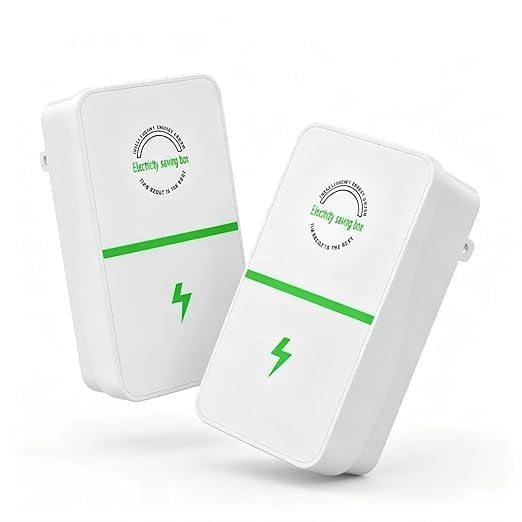
This article has been written by a scam fighter volunteer. The FTC’s page on energy-saving device claims and Energy Star’s official site are better starting points if you’re actually trying to cut your electric bill. There’s little evidence to show it works. Save my name — email, and website in this browser for the next time I comment. It appears very similar to generic “electricity saving box” products sold cheaply on wholesale websites. There’s no verified evidence showing Consumer Reports approved or endorsed StopWatt.
All responsibility for product performance (safety), and compliance lies entirely with the manufacturer and/or seller. Prospective buyers are advised to validate all product claims directly with the manufacturer and review terms such as pricing (returns), and warranty from the original sales platform. Mentioning a product (service), or brand in this article does not imply endorsement or guarantee by the publisher or its affiliates.
All reviews (evaluations), and discussions are based on publicly available data and editorial assessment. Any expressed opinions are informational and do not establish a professional relationship between readers and content providers. This article does not serve as legal (electrical), environmental, or financial advice. This article may contain typographical errors (outdated details), or unintentional inaccuracies.